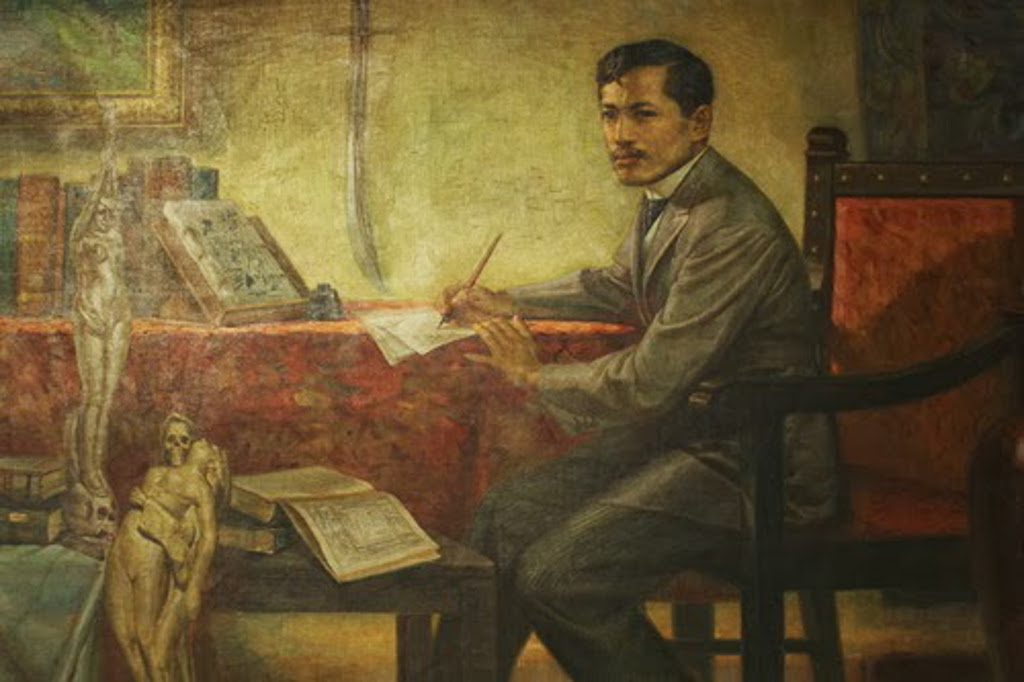
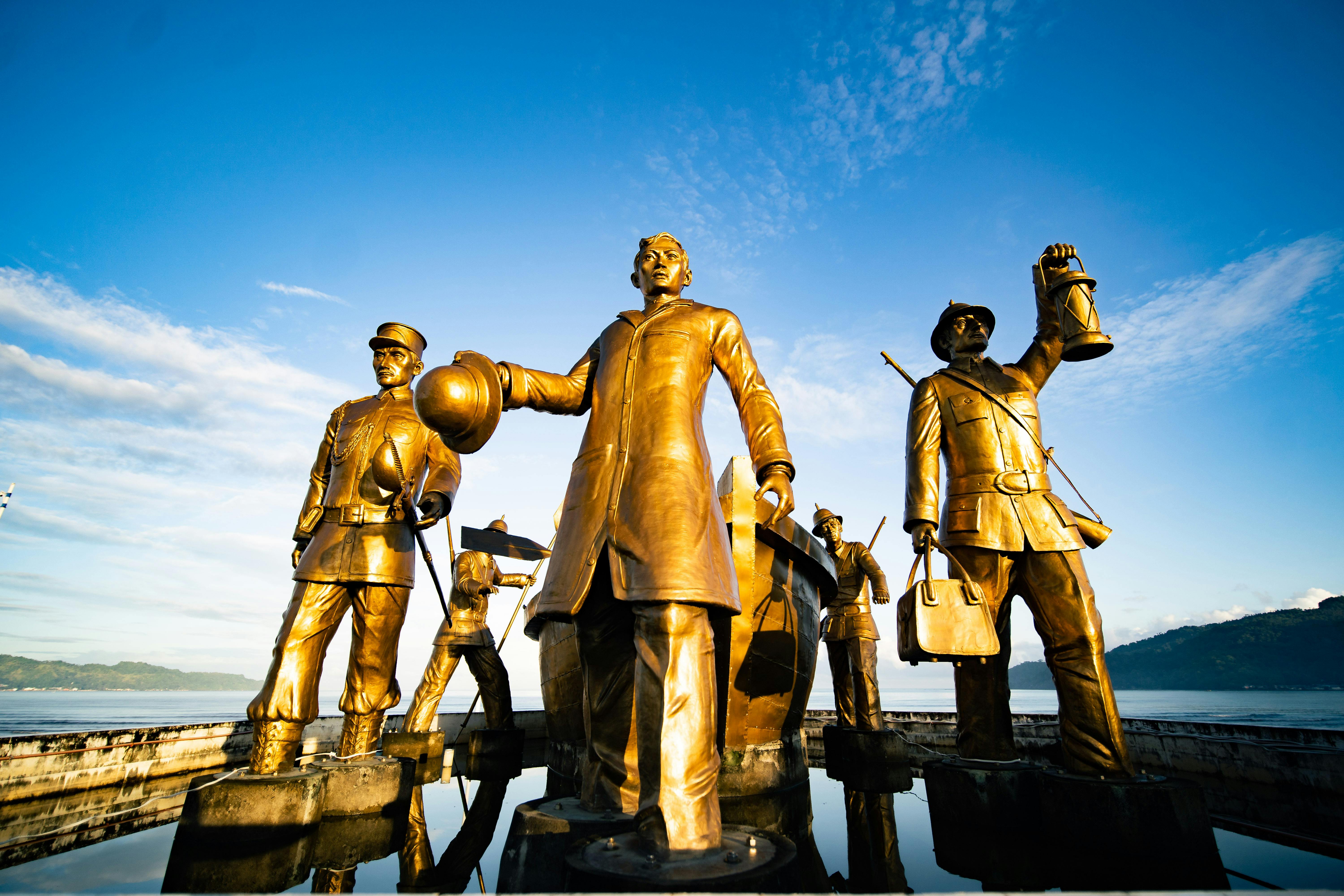
Discover the man behind the monument — his ideals, his works, and the mandate that keeps his memory alive.
In 1956, lawmakers passed Republic Act 1425 (The Rizal Law) to strengthen Filipino identity. They believed that reading Rizal's works would help young Filipinos understand freedom, nationalism, and the values that shaped our nation.
More than six decades later, this mandate remains profoundly relevant. It stands as a testament to the enduring power of intellectual discourse and moral courage in nation-building. Rizal's life exemplifies how one individual's commitment to truth and justice can inspire generations.
This site is dedicated to that mandate—making Rizal's legacy accessible, engaging, and meaningful for today's generation.
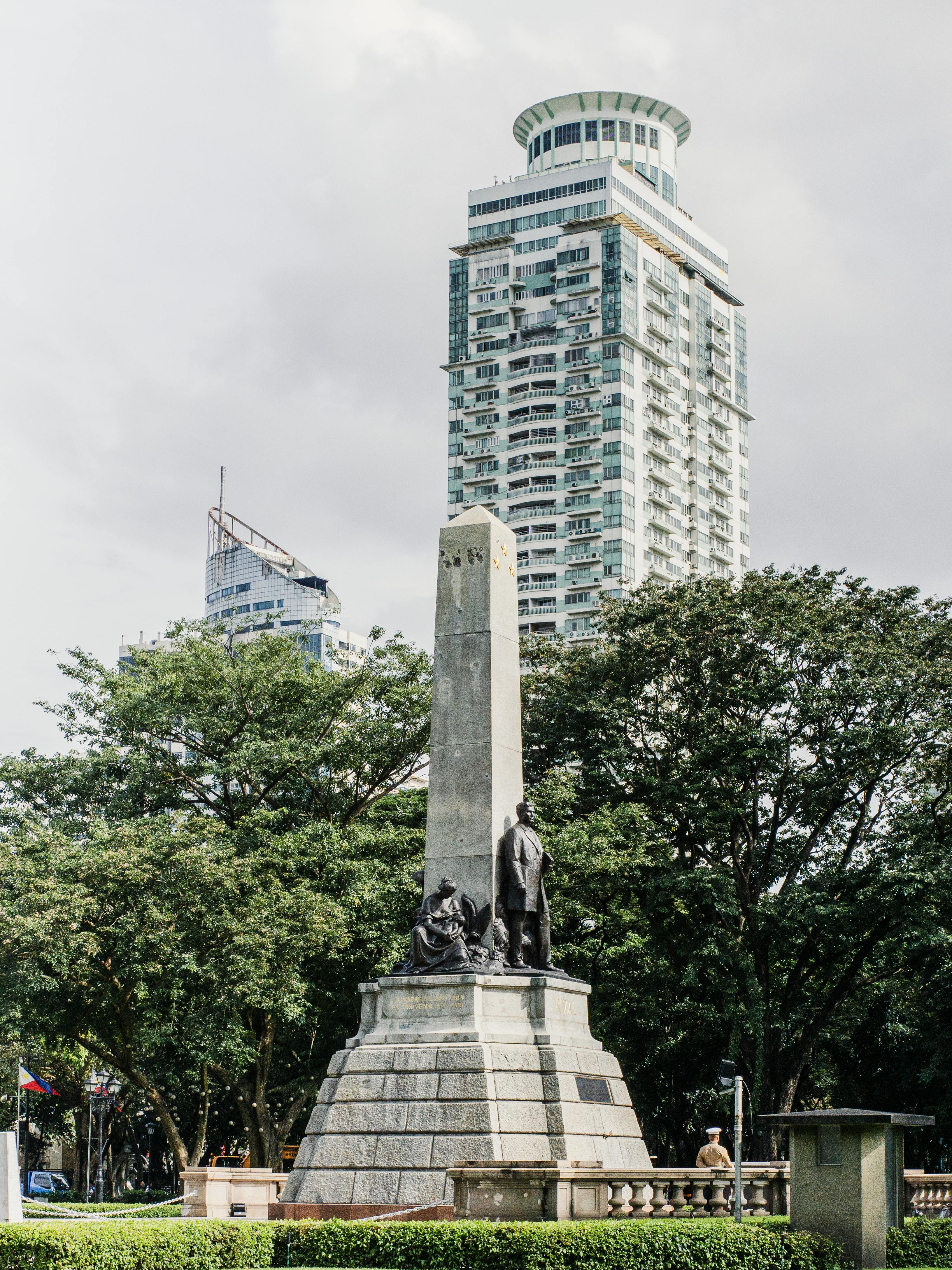
A timeline of pivotal events that shaped his legacy and influence
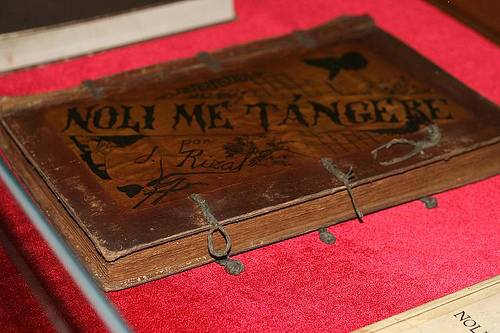
Rizal's debut novel becomes a sensation across the Philippines, sparking conversations about Spanish colonial rule and social reform.
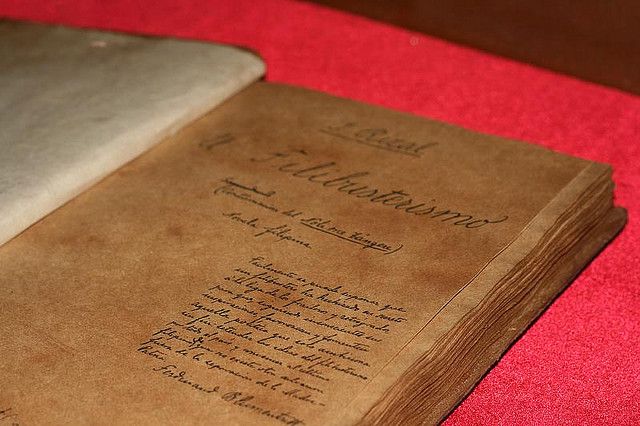
The sequel to Noli Me Tangere intensifies the critique of colonialism and accelerates the movement for Philippine independence.
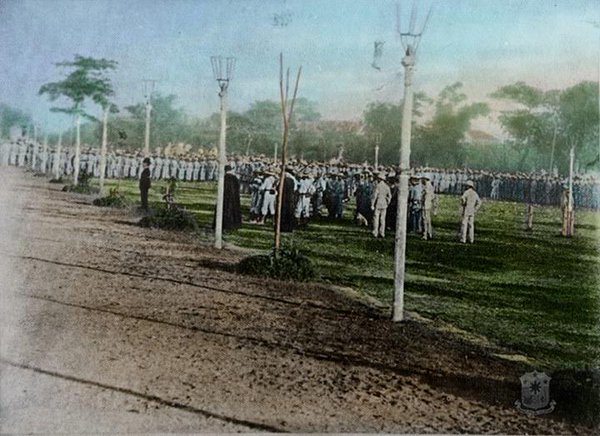
Rizal's execution becomes the catalyst for the Philippine Revolution, cementing his place as the nation's supreme hero.
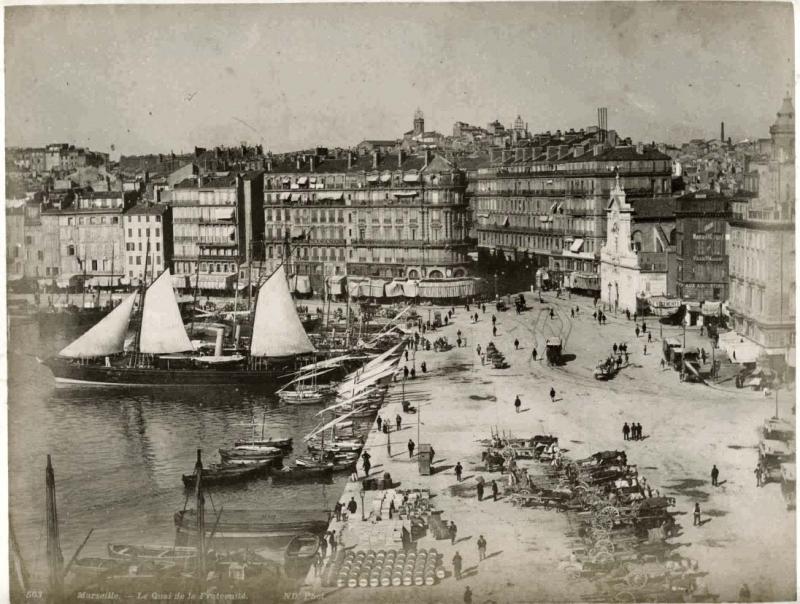
Rizal studies medicine, languages, and philosophy across Spain, France, Germany, and Belgium, broadening his intellectual horizons.
Rizal's passionate letters and relationships with various women reveal a deeply human side beyond his intellectual legacy.
After his European sojourn, Rizal returns home to establish reform movements and further his advocacy for a better nation.
Journey through the different facets of Rizal's life, legacy, and influence on the Filipino nation