The Propaganda Movement

The Works

Pen, Power, and the Philippine Revolution

Explore Rizal's revolutionary novels and essays that awakened a nation — where words became weapons and literature ignited a movement for freedom.

The Propaganda Movement

During his years in Europe (1882-1892), Rizal became a key figure in the Propaganda Movement, a reform campaign led by Filipino expatriates seeking peaceful political change under Spanish colonial rule. Through essays, editorials, and public discourse, these ilustrados advocated for representation, civil liberties, and an end to friar abuses.

La Solidaridad & "The Indolence of the Filipino"

Rizal wrote extensively for La Solidaridad, the movement's fortnightly newspaper published in Barcelona and Madrid. His most celebrated essay, "The Indolence of the Filipino" (1890), dismantled the racist myth that Filipinos were naturally lazy. Instead, he argued that centuries of colonial exploitation, forced labor, and systemic oppression had created conditions that discouraged initiative—brilliantly turning colonial propaganda on its head.

Visual Chronicle

Key moments and artifacts from the Propaganda Movement era
Rizal's Love Letters
1889-1895

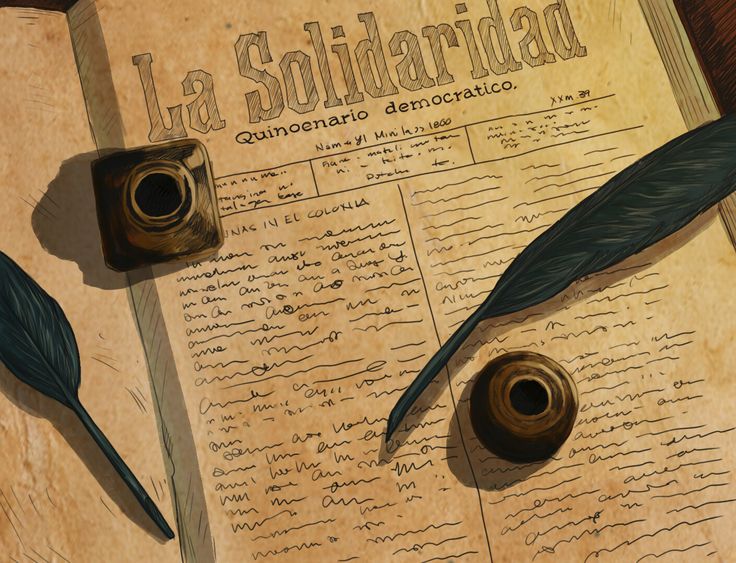
La Solidaridad

The bi-weekly newspaper that became the voice of Filipino reformists in Europe, publishing essays that would ignite a revolution.
Barcelona, Madrid 1889-1895
Rizal's Love Letters
Scholar

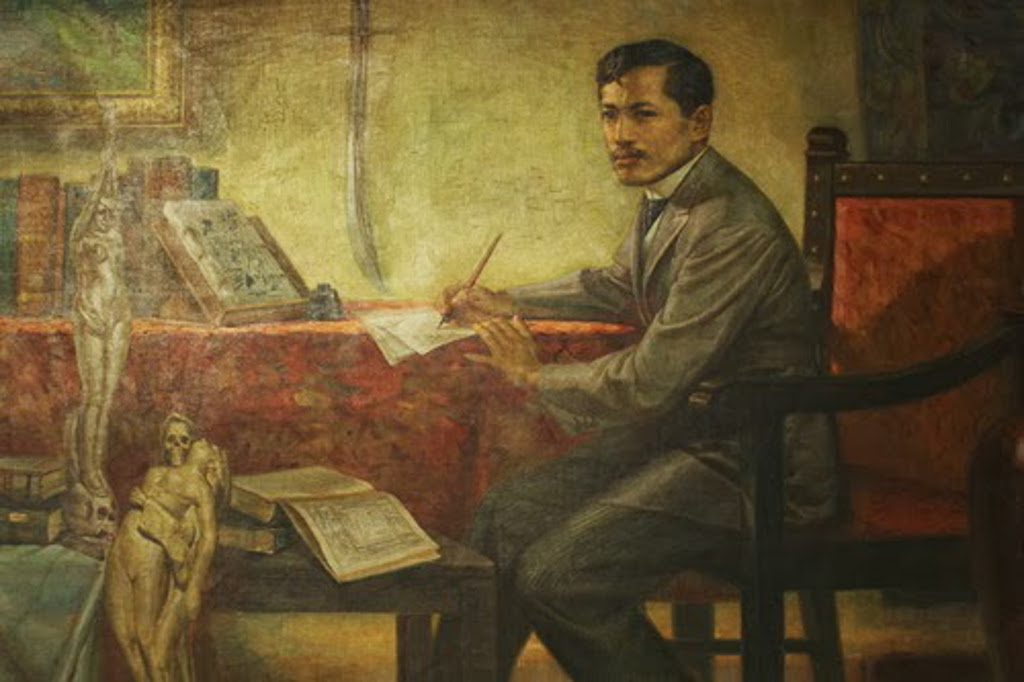
The Pen as Weapon

Rizal writing his revolutionary essays and novels in Europe, wielding his pen with surgical precision against colonial injustice.
Madrid, Paris Essays & Novels
Rizal's Love Letters
Ilustrados

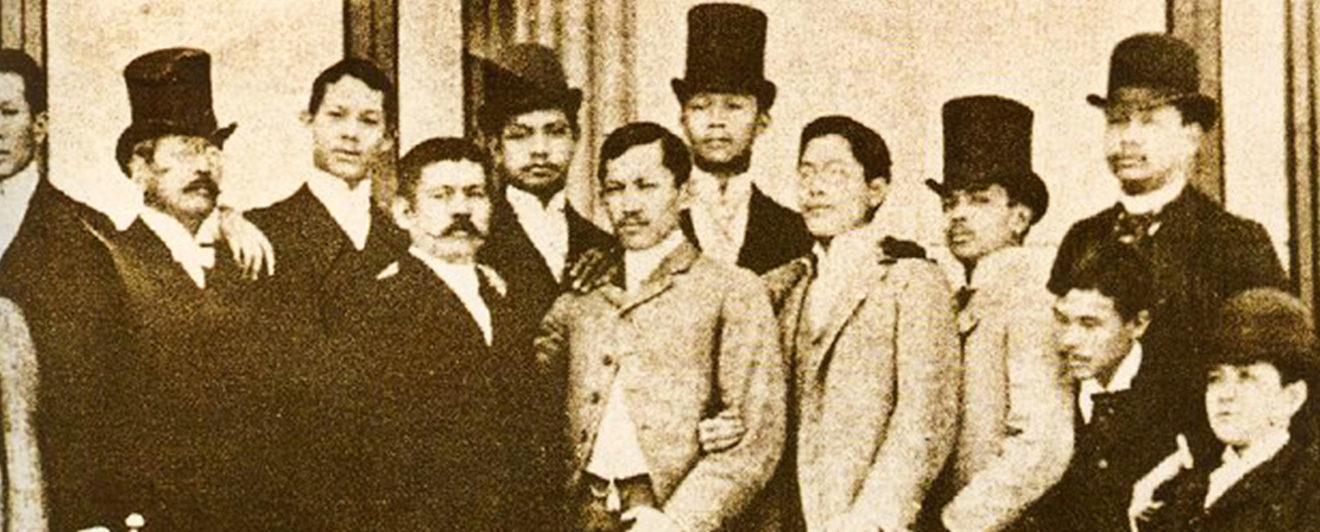
The Reformists

Filipino intellectuals united in Europe: Rizal, Marcelo H. del Pilar, Graciano López Jaena, and others who dreamed of a reformed Philippines.

Educated Elite Reform Movement

Noli vs Fili — Side by Side

A comparison of Rizal's two revolutionary novels

Feature Noli Me Tangere (1887) El Filibusterismo (1891)
Focus Social Cancer Reign of Greed
Tone Romantic, Idealistic Dark, Political
Main Character Crisóstomo Ibarra (Reformer) Simoun (Revolutionary)
Approach Peaceful reform through education and enlightenment Violent overthrow as the only remaining option
Message Hope for change within the colonial system Despair and inevitability of revolution
Dedication To the Motherland (Inang Bayan) To the memory of Gomburza (martyred priests)